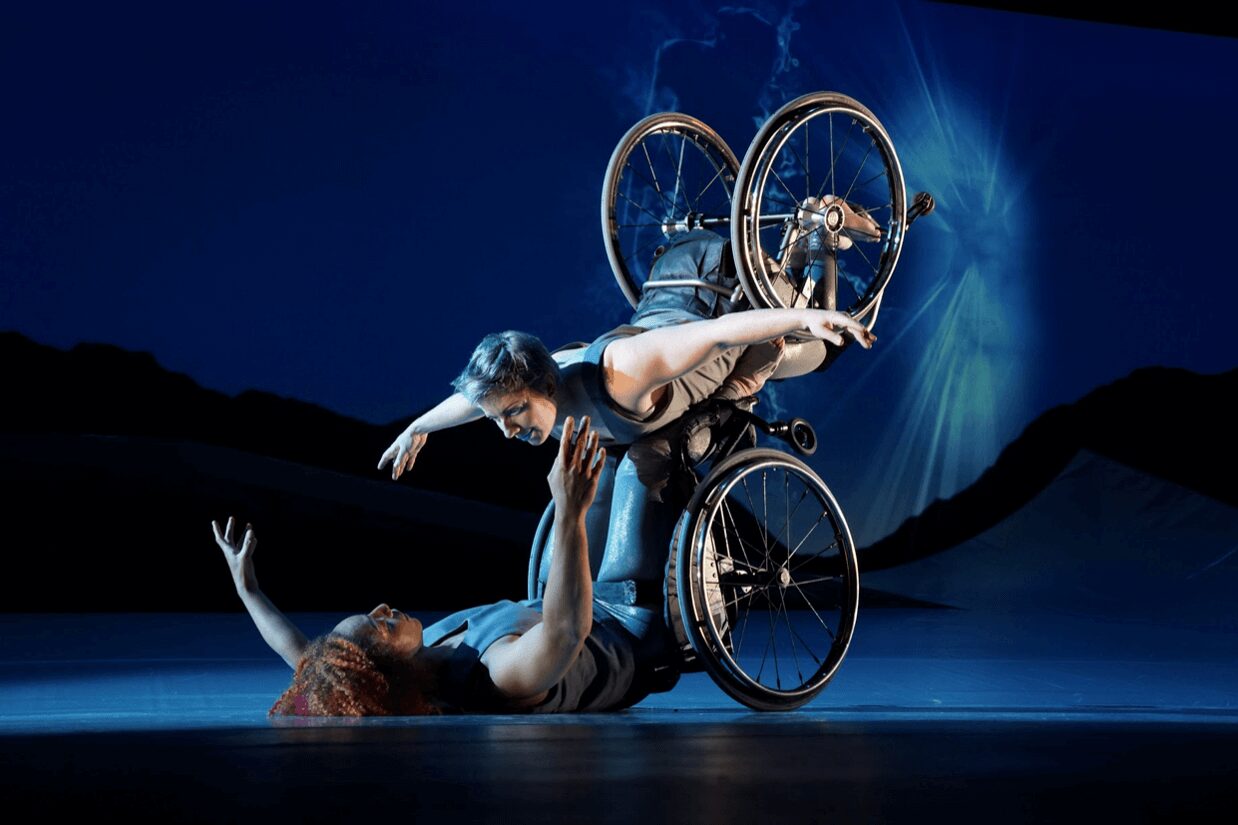
How does an engineer take a hard look at her practice?
When I was 17, I watched a TED talk by engineer Hugh Herr that has now been viewed over 13 million times. A hero in the field of bionics, Herr spoke of how disability could be transcended through technological innovation. At the time, I heard nothing complicated in this idea and wanted desperately to be a part of his vision. But when I revisited the talk four years later, I responded to Herr’s call to end disability with alarm — revealing a turning point in my own educational journey. The stories I have heard pertaining to disability in these last four years have fundamentally altered my understanding of the body and its relationship to technology. These stories have prompted me to revisit my initial assumptions about assistive tech and mentally unpackage the field to reconsider its first principles.
As I leave Olin, I will be pursuing a PhD in biomechatronics, specifically focusing on assistive mobility devices. Designing and testing technology like high tech exoskeletons will be a part of my job description. I have sought out this role, am excited about its technical challenges, and its potential to positively impact lives. At the same time, I never want to act as an engineer who knows how to wield a hammer and simply sets out looking for nails. The framework of user-centered design helps protect against this concern in its prioritization of individual needs, but still feels insufficient — as it is not appropriate to assume that there is a problem, that tech is the answer, and that it only needs to be outfitted to the individual before it gets shipped off.
In a purely medical model of disability, disability is considered an aberration from the “normal” human body. Assistive technologies (think: high tech carbon fiber prosthetics, wheelchairs, full body exoskeletons) attach onto the human form and restore the body’s lost degrees of freedom with its exquisite engineering power. In the alternative social model, disability stems from the interaction between the body and structures of society. A body itself is not disabled, but insufficient accommodation for one’s body is disabling.
With this project, I wanted to carve out a space to reconsider the medical model that drives my research field, and to see if a social model might be integrated into it in a more robust way: investigating questions about the body itself, prior to its entrance to an engineering lab. I wanted to test my own inherited assumptions about bodies and technologies and land in the open space of questions. Realizing there is no better domain for questions than in the fine arts, I created Degrees of Freedom as an exhibition space for me to begin this journey.
The name “Degrees of Freedom” plays off the physicality of mechanics situated in the material world — denoting degrees of freedom as a measurable sense of motion and mobility. But this project extends to the metaphorical meaning of “freedom,” including freedom of expression and freedom to navigate the meaning of social constructions. I still don’t know the answers to the question I pose here, nor even all the questions to ask. But I hope that beginning this exploration will help ensure that I keep the technical closely situated with the artistic, the expressive, and the experiential. Holding these paradigms next to each other, even when they conflict, will guide how I move through my field — informing both my research questions and my practice in graduate school and beyond.
Click on each image to view artist information and gallery notes.
What is a body?
When is a body whole? How are changes to the body incorporated (or not incorporated) into one’s sense of self? Where does a body begin and end? Where (and why) do we draw a line between the body and that which assists, adapts, augments, or opposes it?
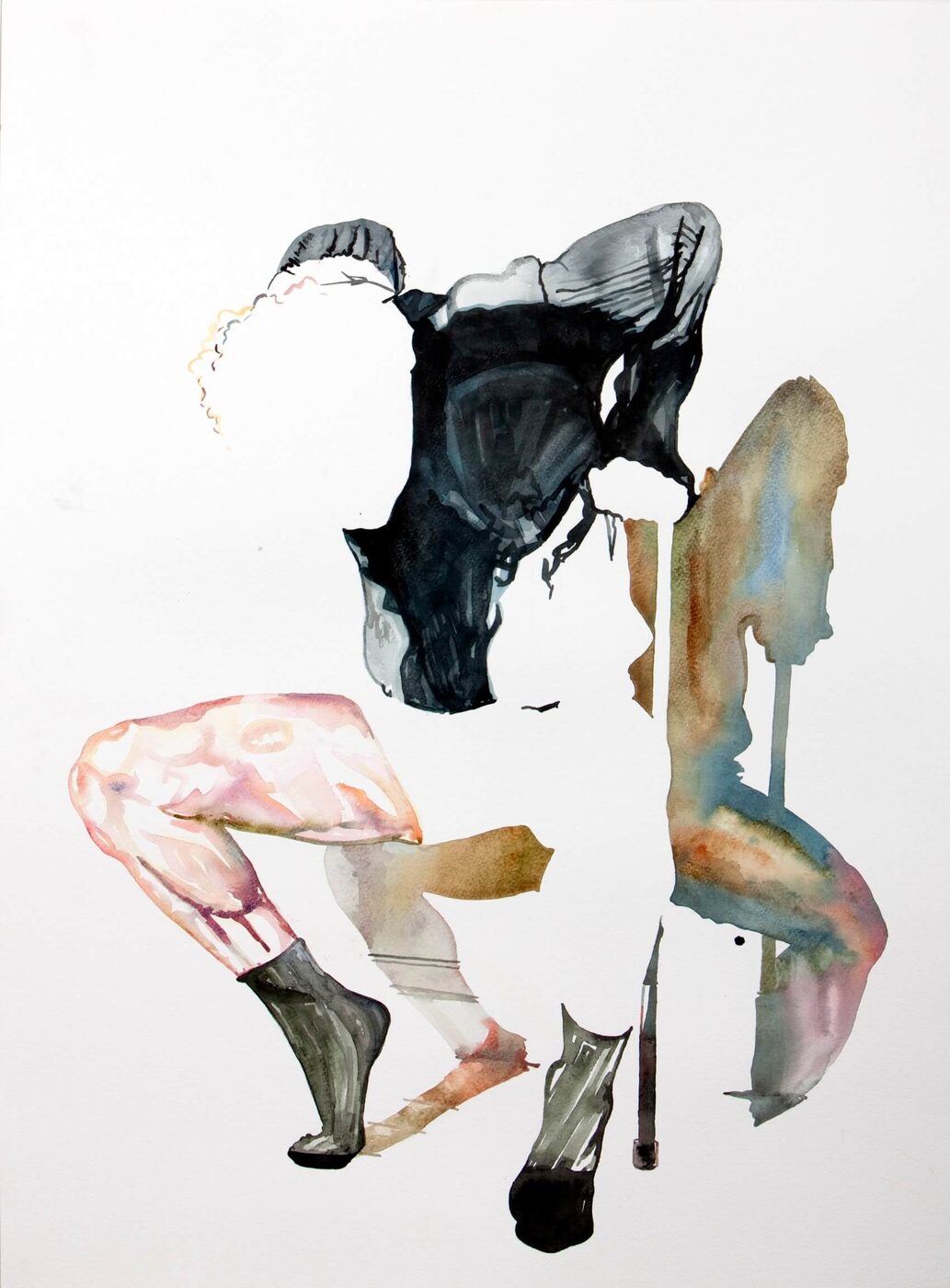
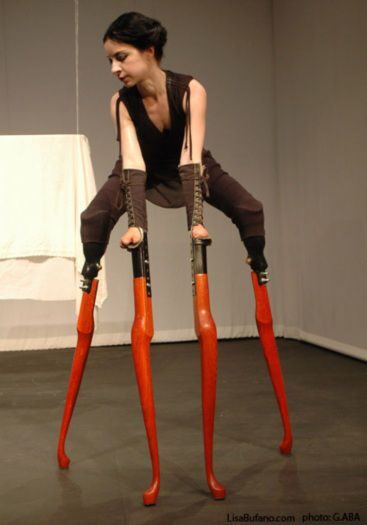
How is a body perceived?
What aspects of disability are (in)visible? To what extent is disability performed? How does perception alter human connection?
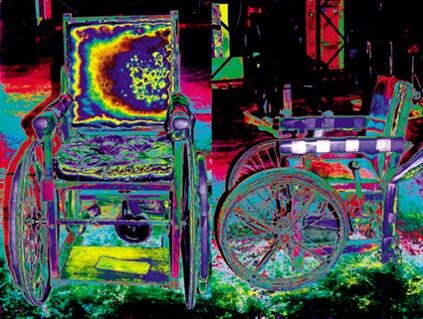
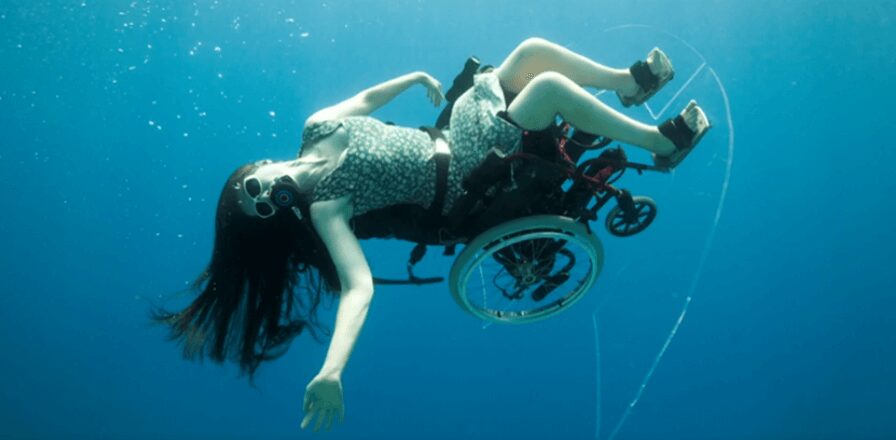
How is a body experienced?
How does equitable experience differ from equal opportunity? When do we highlight exceptional body capacities? How pervasive is the vulnerability of the human body?