Human-Centered Engineering for Mobility Lab

Publications & Presentations

Peer-Reviewed Articles

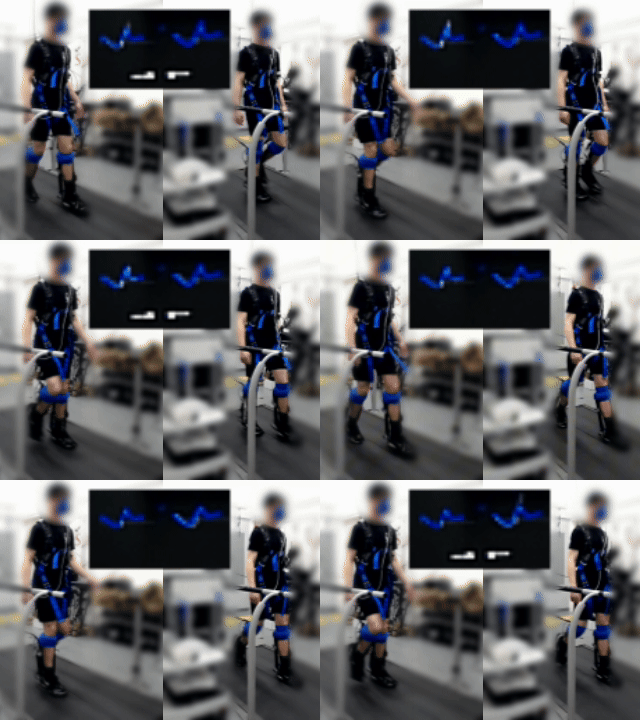
  1. Young adult man walking on a treadmill with ankle exoskeletons on both legs while a screen shows real-time gait biofeedback.

    Biofeedback speeds adaptation to exoskeleton gait assistance

    A. Lakmazaheri, S. H. Collins

    IEEE Transactions on Neural Systems and Rehabilitation Engineering, 2025

    doi pdf

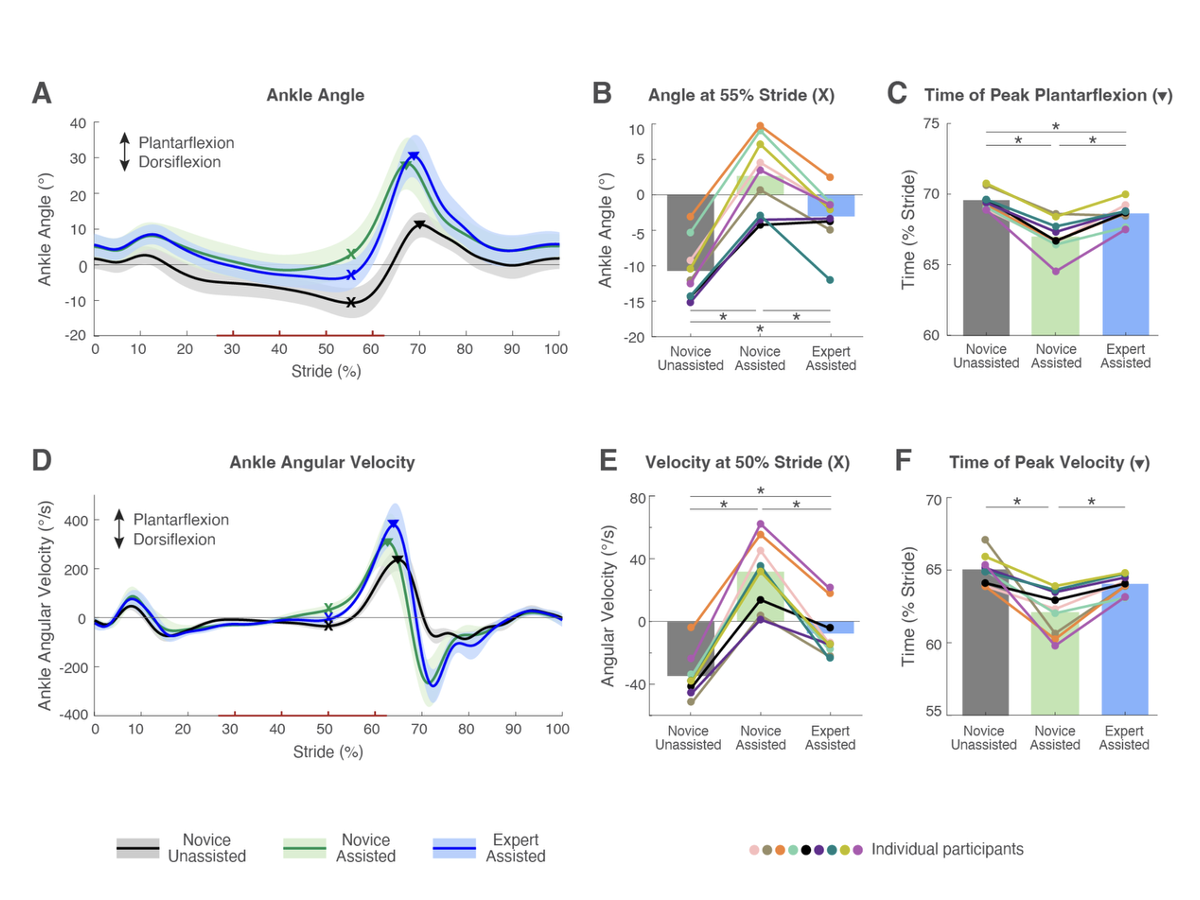
  2. Six-panel figure comparing ankle angle and angular velocity across the stride for novice unassisted, novice assisted, and expert assisted walking.

    Characterizing expert exoskeleton-assisted gait: insights to accelerate ankle exoskeleton mastery

    A. Lakmazaheri, S. H. Collins

    IEEE Transactions on Medical Robotics and Bionics, 2025

    Invited publication doi pdf

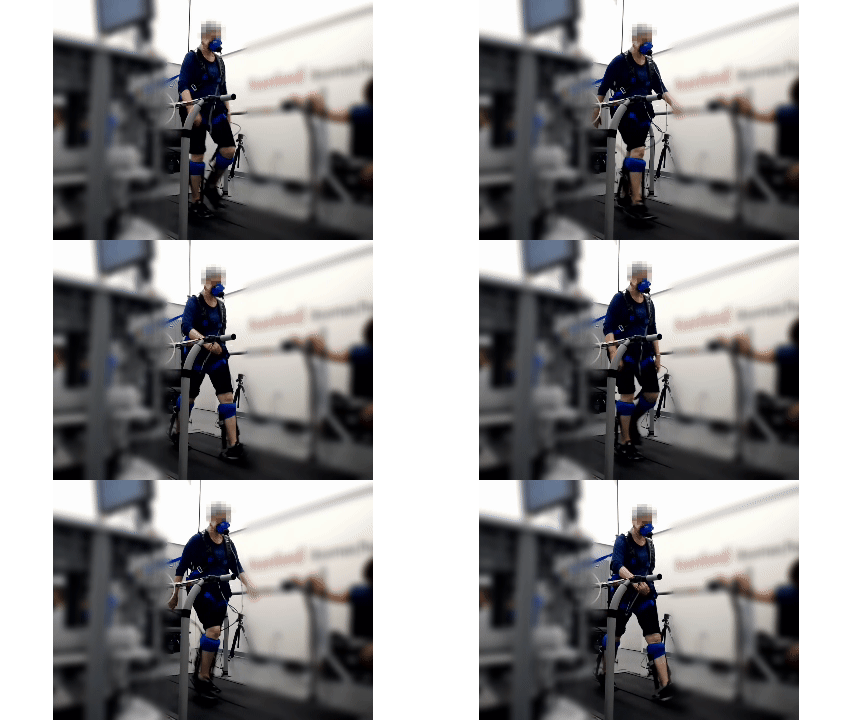
  3. Older adult woman walking on a treadmill wearing ankle exoskeletons on both legs.

    Optimizing exoskeleton assistance to improve walking speed and energy economy for older adults

    A. Lakmazaheri*, S. Song*, B. B. Vuong, B. Biskner, D. M. Kado, S. H. Collins

    Journal of NeuroEngineering and Rehabilitation, 21(1), 2024

    * equal contribution

    doi pdf

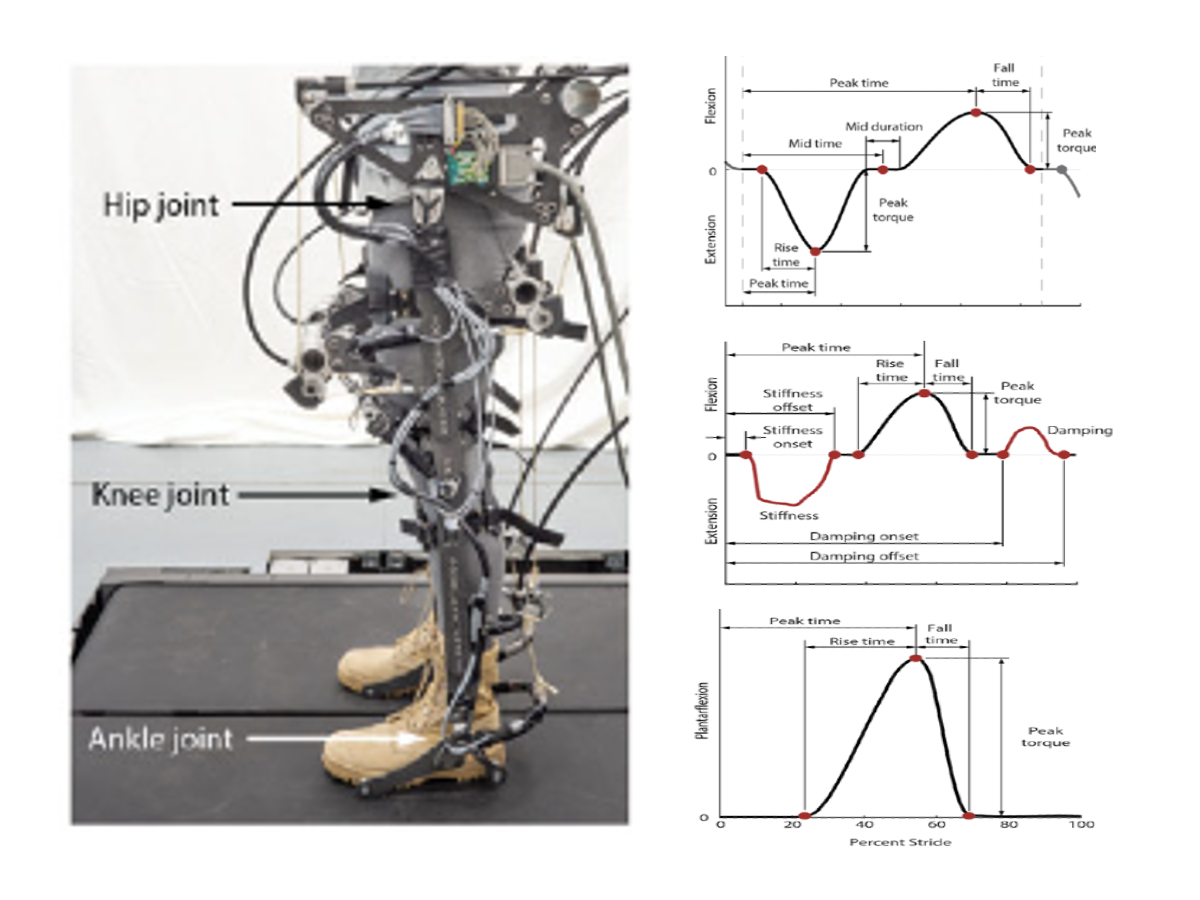
  4. Tethered hip–knee–ankle exoskeleton emulator on a treadmill with each joint labeled, beside three torque profiles showing the timing and magnitude parameters optimized at each joint.

    Comparing optimized exoskeleton assistance of the hip, knee, and ankle in single and multi-joint configurations

    P. Franks, G. Bryan, R. Martin, R. Reyes, A. Lakmazaheri, S. H. Collins

    Wearable Technologies, 2, E16, 2021

    doi pdf

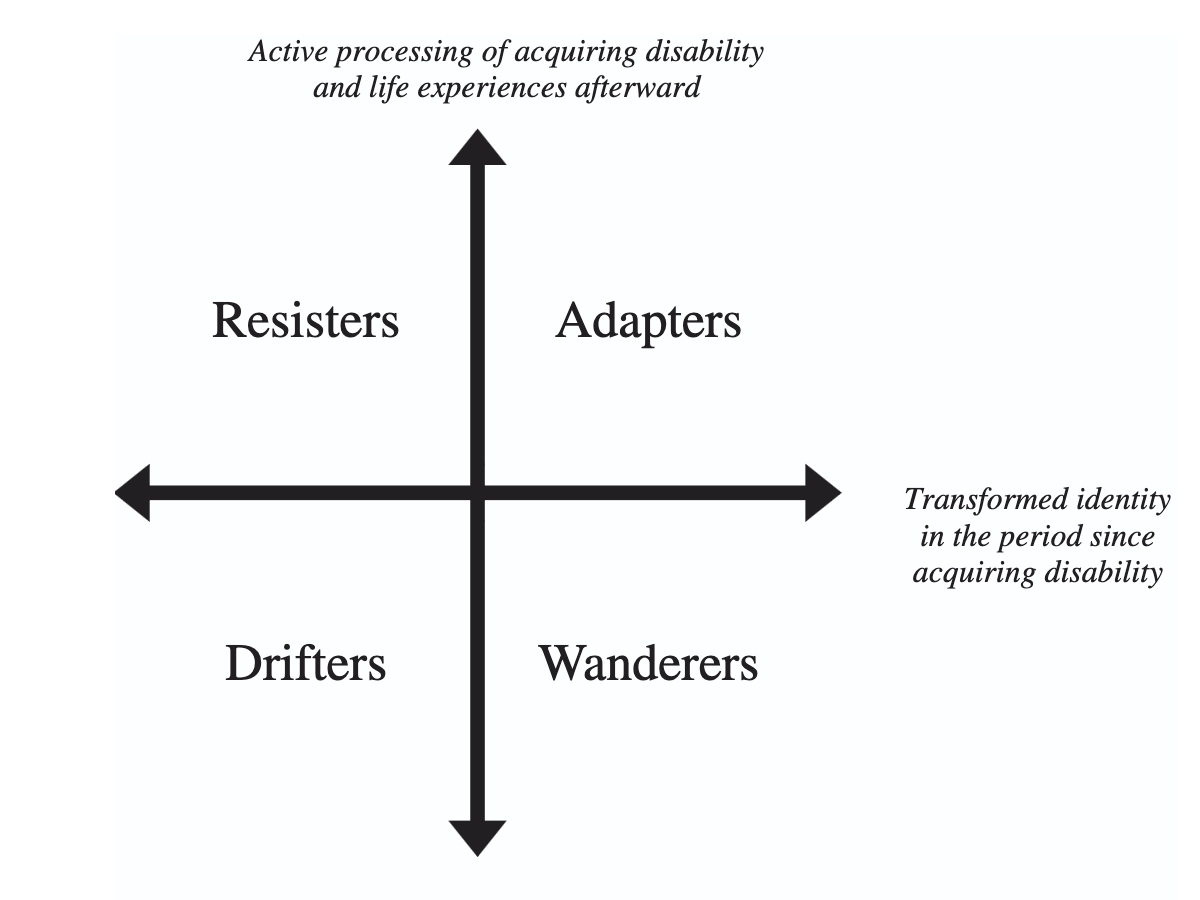
  5. Two-by-two diagram of identity after acquired disability: active processing on the vertical axis, identity transformation on the horizontal, giving four groups — Resisters, Adapters, Drifters, and Wanderers. 2019 J. Personality

    Identity integration in people with acquired disabilities: a qualitative study

    J. M. Adler, A. Lakmazaheri, E. O'Brien, A. Palmer, M. Reid, E. Tawes

    Journal of Personality, 89(1), 84–112, 2019

    doi pdf

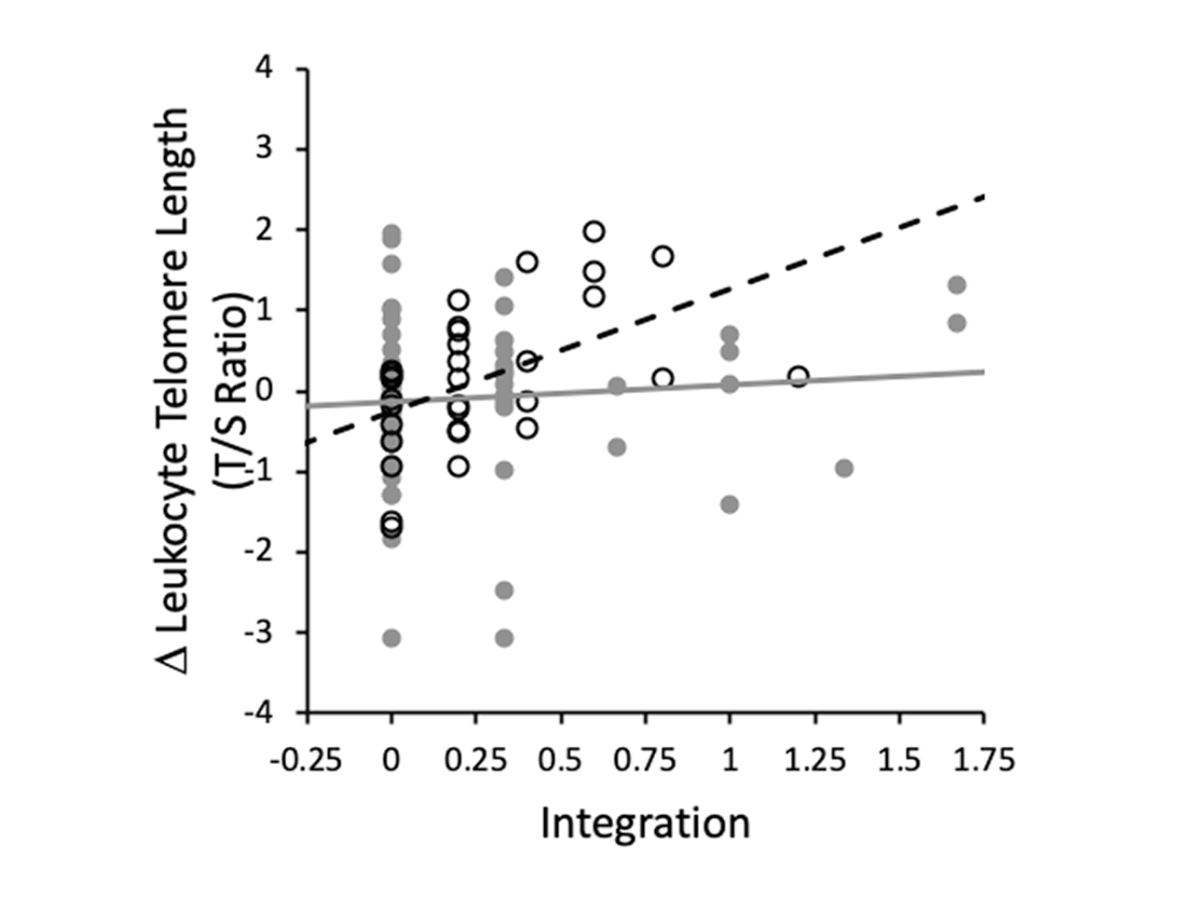
  6. Scatterplot of change in leukocyte telomere length against narrative identity integration, with a steeper positive slope in one group (open circles, dashed line) than the other (filled circles, solid line). 2019 Brain Behav. Immun.

    Stress resilience: narrative identity may buffer the longitudinal effects of chronic caregiving stress on mental health and telomere shortening

    A. E. Mason, J. M. Adler, E. Puterman, A. Lakmazaheri, M. Brucker, K. Aschbacher, E. S. Epel

    Brain, Behavior, and Immunity, 77, 101–109, 2019

    doi pdf

Selected Presentations

  1. 2026

    From lab to life: use and non-use of mobility devices and the need for human-centered design

    Communication, Culture, and Technology · Georgetown University

    Invited talk

  2. 2026

    How competing movement objectives reshape motor coordination

    World Congress of Biomechanics · Vancouver, BC

    Poster presentation

  3. 2026

    Inferring motor control objectives from human locomotion

    Kempner Institute for the Study of Natural and Artificial Intelligence · Harvard University

    Poster presentation

  4. 2026

    Enhancing mobility with human-centered biomechanics and wearable robotics

    Biomedical Engineering · Worcester Polytechnic Institute

    Invited talk

  5. 2025

    Learning to coordinate human and robotic motion

    Robotics Community Consortium · Harvard University

    Invited talk

  6. 2025

    Toward co-adaptive human-exoskeleton interaction

    Mechanical and Industrial Engineering · Northeastern University

    Invited talk

  7. 2025

    Training for adaptability: integrating motor learning frameworks into coaching practice

    Stanford Athletics · Stanford University

    Invited talk

  8. 2025

    Toward co-adaptive human-exoskeleton interaction

    Mechanical Engineering · Stanford University

    Dissertation Defense thesis video

  9. 2025

    Toward co-adaptive human-exoskeleton interaction

    Bioengineering · Harvard University

    Invited talk

  10. 2025

    Techniques for training and optimization in human-exoskeleton interaction

    Biomedical Engineering · University of Delaware

    Invited talk

  11. 2025

    Learning from experts: accelerating exoskeleton training with biofeedback

    IEEE International Conference on Rehabilitation Robotics (RehabWeek) · Chicago, IL

    Podium presentation Best Student Paper Award

  12. 2023

    Optimizing exoskeleton assistance to improve walking speed and energy economy for older adults

    American Society of Biomechanics · Knoxville, TN

    Oral presentation Poster

  13. 2019

    Optimizing musculotendon parameters to simulate walking with ankle-foot orthoses in children with cerebral palsy

    Center for Neurotechnology Symposium · University of Washington

    Podium presentation Poster video